How to Care for Your Nigerian Dwarf Goats
Updated: Dec 31, 2025
Nigerian Dwarf goats are not only adorable but also incredibly versatile animals that can serve as pets, dairy producers, and even companions for other livestock. Their small size and friendly demeanor make them a popular choice for both novice and experienced goat owners. However, caring for these charming creatures requires knowledge and commitment. This guide will walk you through the essential aspects of Nigerian Dwarf goat care, ensuring that your goats thrive in a healthy and happy environment.
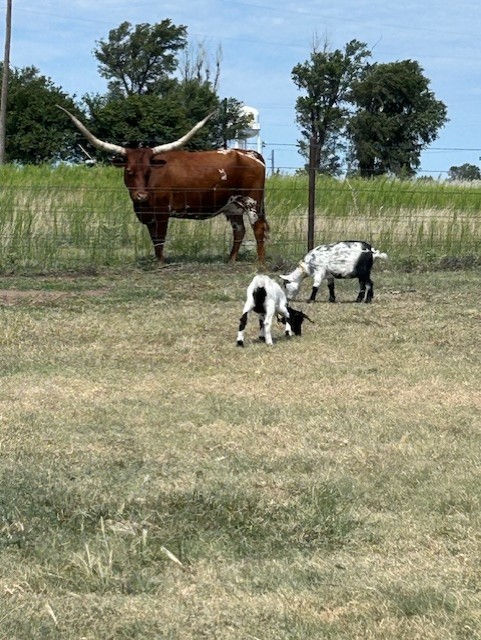
Understanding Nigerian Dwarf Goats
What Makes Them Unique?
Nigerian Dwarf goats are a miniature breed known for their friendly nature and high milk production relative to their size. They typically stand between 17 to 21 inches tall and weigh around 50 to 75 pounds. Their milk is rich and creamy, making it a favorite among dairy enthusiasts.
Temperament and Behavior
These goats are known for their playful and curious personalities. They are social animals that thrive in herds, so it's best to keep at least two together. Their friendly disposition makes them great companions, but they can also be mischievous, so be prepared for some antics!
Basic Needs of Nigerian Dwarf Goats
Shelter Requirements
Providing adequate shelter is crucial for the well-being of your Nigerian Dwarf goats. Here are some key points to consider:
Size: Each goat should have at least 15 to 20 square feet of space in their shelter.
Ventilation: Ensure proper airflow to prevent respiratory issues.
Protection: The shelter should protect them from harsh weather conditions, including rain, snow, and extreme heat.
Fencing
A secure fence is essential to keep your goats safe and contained. Nigerian Dwarf goats are known for their climbing abilities, so a fence should be at least 4 to 5 feet tall. Consider using woven wire or stock fencing, and ensure there are no gaps where they could escape.
Feeding Your Nigerian Dwarf Goats
Nutritional Needs
A balanced diet is vital for the health of your goats. Here’s what you need to include:
Hay: High-quality hay should make up the bulk of their diet. Timothy hay is a popular choice.
Grain: Offer a small amount of grain, especially if they are lactating or pregnant. Look for goat-specific feed that includes necessary vitamins and minerals.
Fresh Water: Always provide access to clean, fresh water. Goats can drink a significant amount, especially in hot weather.
Treats and Supplements
Occasional treats can be a great way to bond with your goats. Consider offering:
Vegetables: Carrots, apples, and leafy greens are excellent choices.
Mineral Blocks: Ensure they have access to a mineral block designed for goats to meet their nutritional needs.
Health Care for Nigerian Dwarf Goats
Regular Check-Ups
Routine veterinary care is essential for maintaining the health of your goats. Schedule regular check-ups to monitor their health and vaccinations. Common vaccinations include:
CDT Vaccine: Protects against clostridial diseases.
Rabies Vaccine: Important if your goats are exposed to wildlife.
Common Health Issues
Be aware of common health issues that can affect Nigerian Dwarf goats, including:
Parasites: Regular deworming is necessary to keep parasites at bay. Consult your veterinarian for a deworming schedule.
Foot Rot: Keep their hooves trimmed and check for signs of foot rot, especially in wet conditions.
Socialization and Enrichment
Importance of Companionship
Nigerian Dwarf goats are social animals and require companionship. Keeping at least two goats together will help prevent loneliness and stress.
Enrichment Activities
To keep your goats mentally stimulated, consider providing:
Toys: Simple items like balls or climbing structures can keep them entertained.
Obstacle Courses: Create a small obstacle course using logs, tires, or ramps to encourage play and exercise.
Breeding Nigerian Dwarf Goats
Understanding the Breeding Process
If you decide to breed your Nigerian Dwarf goats, it's essential to understand the process:
Breeding Age: Goats can breed as early as 7 months, but it's best to wait until they are at least a year old.
Gestation: The gestation period for goats is about 150 days. Prepare a safe and comfortable space for the mother to give birth.
Caring for Kids
Newborn kids require special attention:
Colostrum: Ensure they receive colostrum within the first few hours after birth for essential nutrients.
Socialization: Handle them gently to help them become friendly and well-adjusted adults.
Conclusion
Caring for Nigerian Dwarf goats can be a rewarding experience filled with joy and companionship. By providing proper shelter, nutrition, health care, and socialization, you can ensure that your goats live happy and healthy lives. Remember, these charming creatures thrive on love and attention, so make sure to spend quality time with them. Whether you are raising them for milk, companionship, or simply for the joy they bring, your Nigerian Dwarf goats will surely enrich your life.
As you embark on this journey, keep learning and adapting your care practices to meet the needs of your goats. Happy goat-keeping!


Comments